How to choose a builder for your custom home
TL;DR:
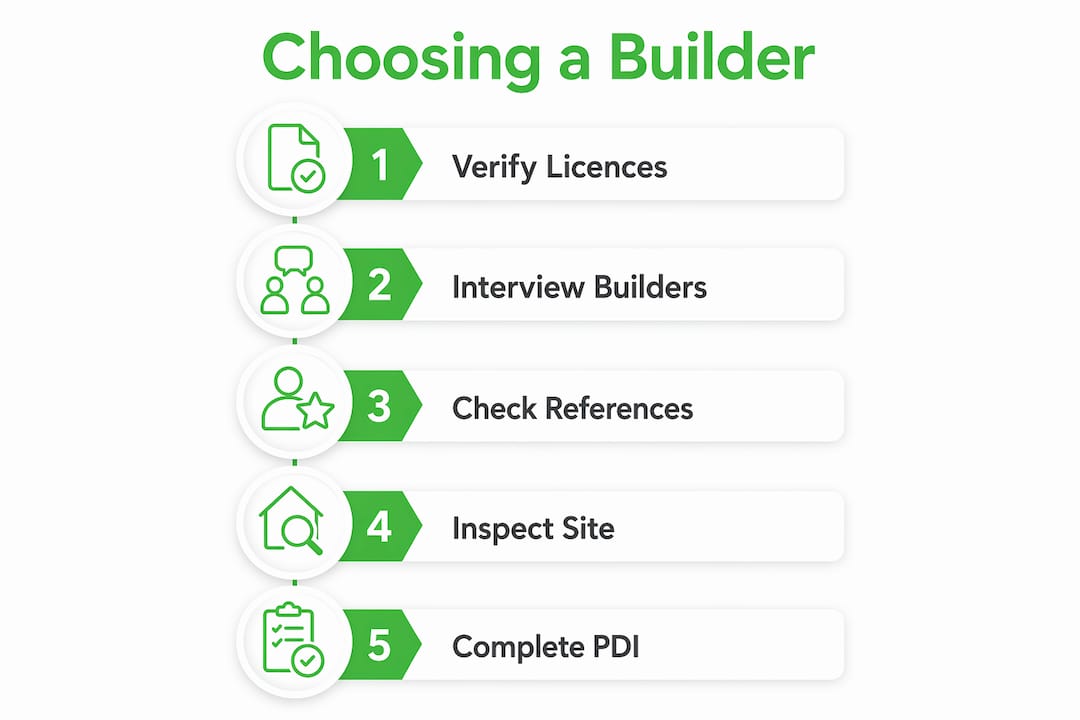
- Choosing a builder requires verifying their licenses and warranties to protect your investment.
- Interview multiple candidates and visit active sites to assess management, communication, and craftsmanship.
Choosing a builder is the process of selecting a licensed, insured professional who will manage your home construction or renovation from concept to completion. Get this decision right and you gain a quality home delivered on time and on budget. Get it wrong and you risk forfeiting your warranty, facing legal exposure, and living through months of costly delays. In Ontario, the Home Construction Regulatory Authority (HCRA) and Tarion set the legal baseline every residential builder must meet. Mightonconstruction has served homeowners across Wasaga Beach, Collingwood, Blue Mountain, and the wider South Georgian Bay region for over 30 years, and the criteria that matter most have not changed: credentials, communication, and craftsmanship.
How to choose a builder: licences, registrations, and warranties

The single most important step when selecting a builder is verifying their legal standing. All residential builders in Ontario must hold an active HCRA licence and be registered with Tarion for mandatory new home warranty coverage. You can confirm both in minutes using the Ontario Builder Directory on the HCRA website and the Tarion builder search tool.
Hiring outside these requirements carries real consequences. Unlicensed builders forfeit mandatory provincial warranty protection and expose you to permitting and legal risk. That means no Tarion coverage for defects, no recourse through the HCRA, and no safety net if the project goes sideways.
Beyond licensing, ask every candidate for the following before signing anything:
- Proof of general liability insurance (minimum $2 million is standard for residential projects)
- WSIB (Workplace Safety and Insurance Board) clearance certificate confirming workers are covered on your site
- Tarion registration number, which you verify directly on the Tarion website
- Canadian Home Builders’ Association (CHBA) membership, which signals commitment to industry standards and ongoing education
Pro Tip: Ask for updated insurance certificates dated within the last 30 days. Expired certificates are common and leave you exposed if an incident occurs on site.
If you are building in British Columbia, the equivalent requirement is a BC Housing Residential Builder Licence. The verification process is similar: check the BC Housing registry before any contract is signed.
How many builders should you interview?
Interview at least three builders for a standard custom home or renovation project. For complex sites, such as hillside lots, waterfront properties, or heritage-adjacent parcels, interview up to five. Three interviews give you a baseline for comparing price, process, and personality. Five give you enough data to spot outliers and avoid being swayed by a single polished presentation.
Structure each interview around the same set of questions so you can compare answers fairly. Here are the most revealing questions to ask a builder:
- Who manages the day-to-day site? You want a dedicated site supervisor, not a principal who drops in once a week.
- How do you handle change orders? The answer reveals how transparent they are about cost and scope changes.
- What is your current schedule and when could you start? A builder with no availability for six months is not necessarily better, but it tells you about demand.
- How long have your key subcontractors worked with you? Long-term trade relationships signal reliability and consistent quality standards.
- Can you walk me through your deficiency process? A clear, documented process for fixing problems after possession is non-negotiable.
- What selections do I need to make and when? Builders who manage schedules well communicate clearly about lead times and decision deadlines.
- What is and is not included in this quote? Vague allowances are where budgets collapse. Push for specifics.
Avoid any builder who gives you a quote significantly lower than the others without a clear explanation. A lowball number almost always means missing scope, cheap materials, or a builder who plans to recover margin through change orders.
Pro Tip: Bring a printed list of your questions to every interview. Builders who respect your preparation are usually the ones who document their own work carefully.
For more guidance on vetting builder candidates, Mightonconstruction has published a detailed resource on what separates award-winning builders from the rest.
What are the signs of a well-managed builder?
The clearest signal of a quality builder is one you can see before a single question is asked. A clean, organised job site signals effective management and professional craftsmanship. An untidy site reflects poor scheduling, weak trade relations, and real safety risks. Ask to visit an active project before you commit.
Beyond the site visit, look for these indicators:
- Subcontractor loyalty. The length and loyalty of a builder’s subcontractor relationships reflect the quality standards they enforce. Tradespeople who return project after project do so because they are paid fairly and managed professionally.
- Documented inspections. A quality builder schedules formal checkpoints at framing, rough-in, insulation, and pre-drywall stages. Ask to see a sample inspection checklist.
- Building envelope philosophy. Ask directly about their approach to insulation, air sealing, and moisture management. Builders who can articulate this clearly build homes that perform well for decades.
- Delay management. Material backorders and weather delays happen on every project. What matters is how the builder communicates them. Ask for a specific example of how they handled a delay on a recent project.
“A builder who agrees with every idea you bring to the table is not serving your interests. The best builders push back constructively, flag risks you have not considered, and protect you from decisions you will regret.”
Pro Tip: Ask your builder how they document site inspections. Builders using structured checklists or project management software tend to catch deficiencies earlier and resolve them faster.
Understanding how to communicate with your builder throughout the project is just as important as the initial selection. Clear communication protocols set before construction begins prevent the majority of disputes.
How to check references and past client feedback
References are the most underused tool in the builder selection process. Most homeowners ask for them and then call only one or two contacts provided by the builder. That is not enough.
Speak to clients whose homes are at least three years old to assess long-term build quality. Three years is the threshold where materials have settled, mechanical systems have been tested through multiple seasons, and any warranty responsiveness issues have surfaced. A builder who looks great at possession but ignores calls six months later is a problem you will not catch from a recent reference.
When you speak to past clients, ask these specific questions:
- Did the final cost match the original quote? If not, what changed and why?
- How did the builder handle surprises during construction?
- Was the site kept clean and secure throughout the project?
- Did the builder respond promptly to deficiencies after you moved in?
- Would you hire them again for a larger project?
Do not rely solely on testimonials published on the builder’s own website. These are curated and tell you nothing about how problems were handled. Instead, search the builder’s name on Google Reviews, Houzz, and the Better Business Bureau. Look for patterns across multiple reviews, not individual outliers.
For a deeper look at experienced builders in South Georgian Bay, Mightonconstruction’s blog covers what local expertise means in practice for Collingwood, Wasaga Beach, and Blue Mountain projects.
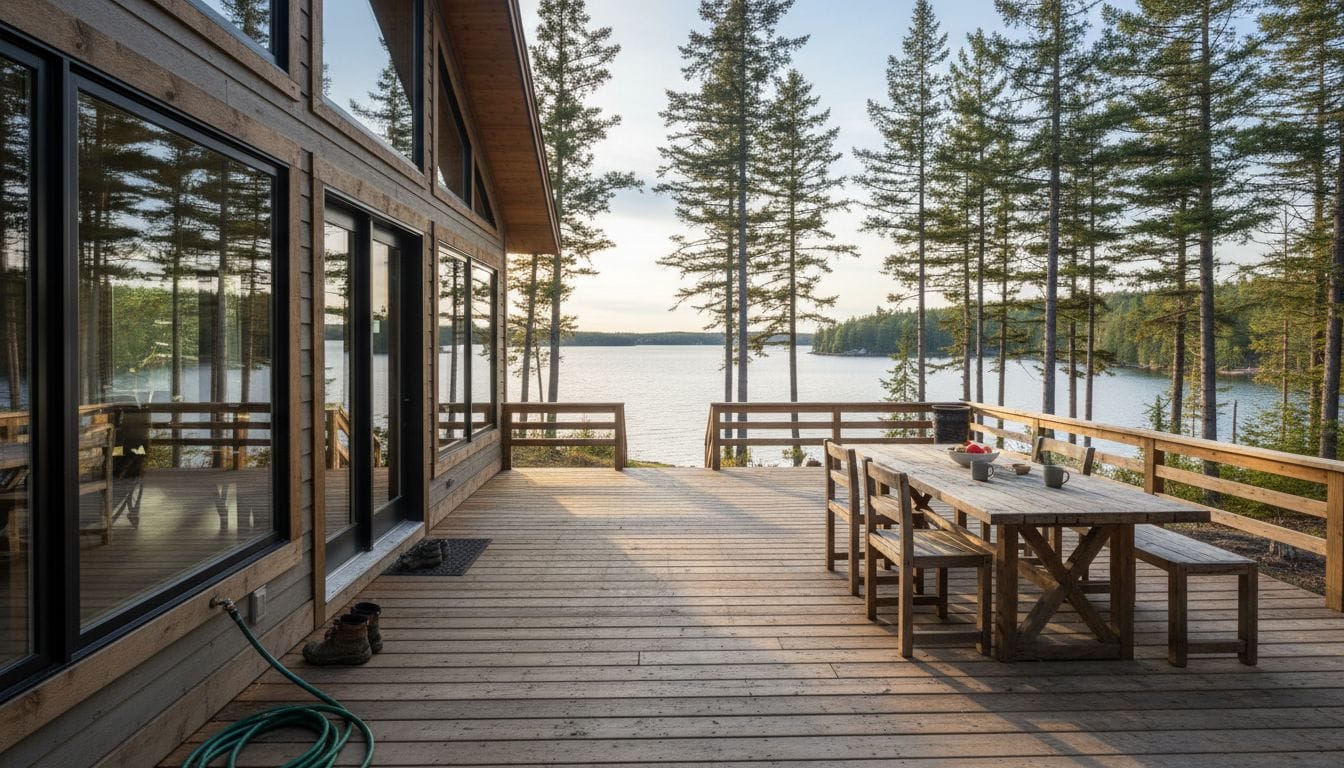
You can also ask the builder for references from clients in your specific project type. A builder with strong references for production homes but no experience with luxury waterfront cottages is a different risk profile than one with a portfolio full of similar builds.
What should you expect during the pre-delivery inspection?
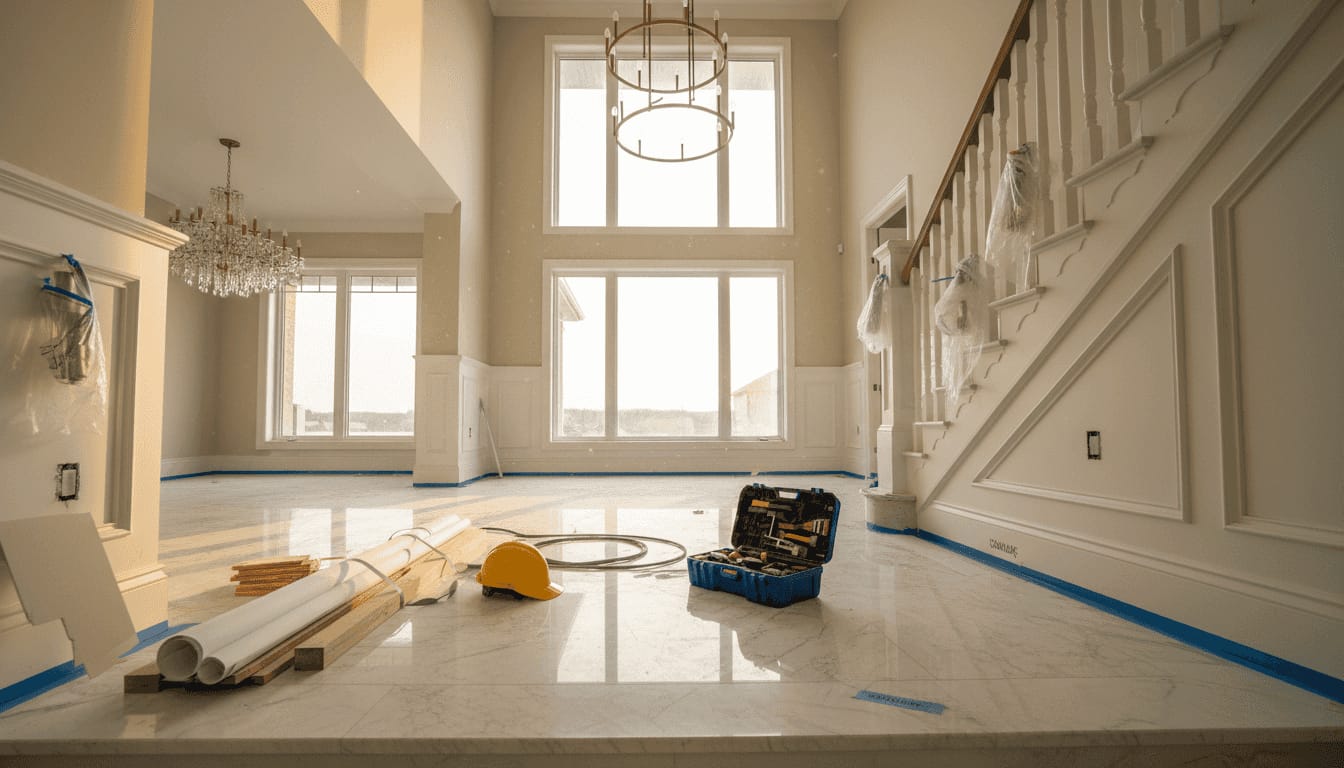
The pre-delivery inspection (PDI) is your formal walkthrough of the completed home before you take possession. It is your last opportunity to document defects before they become your problem to prove. Treat it as a professional audit, not a celebration.
Effective PDIs take about one hour per 1,000 square feet of finished space. That means a 2,500-square-foot home requires roughly two and a half hours of focused inspection. Do not let anyone rush you through this process.
Follow these steps to protect yourself during the PDI:
- Bring a printed copy of the official Tarion PDI form. Every deficiency must be recorded on this form to be covered under warranty.
- Photograph everything. Documenting every minor deficiency with photos prevents warranty claims from being denied later. Scratches, unpainted corners, and scuffs all count.
- Test every system. Run every tap, switch every light, open every window, and operate every appliance included in the build.
- Check all doors and windows for alignment. Sticking doors and windows are common and easy to miss if you only open them once.
- Do not discuss furniture placement or décor during the PDI. That conversation belongs at a separate appointment. The PDI is for defects only.
After the PDI, both you and the builder sign the completed form. Keep your copy in a safe place. This document is the foundation of any warranty claim you make in the first year of ownership.
Key takeaways
Selecting the right builder requires verifying licences and warranties, interviewing multiple candidates, assessing site management and communication quality, and checking references from clients at least three years post-build.
| Point | Details |
|---|---|
| Verify HCRA and Tarion status | Confirm every Ontario builder’s licence and warranty registration before signing any contract. |
| Interview at least three builders | Three interviews provide a baseline; five are recommended for complex or waterfront sites. |
| Visit an active job site | A clean, organised site is the clearest immediate indicator of professional management. |
| Check three-year-old references | Clients at the three-year mark reveal long-term quality, warranty responsiveness, and budget accuracy. |
| Treat the PDI as a formal audit | Allow one hour per 1,000 square feet and photograph every deficiency on the official Tarion form. |
What I have learned after watching hundreds of builder-client relationships
The most common mistake I see homeowners make is choosing a builder based on price and presentation alone. A polished website and a low quote are easy to produce. What is hard to fake is a decade of loyal subcontractors, a portfolio of completed projects in your specific region, and a principal who tells you something is a bad idea when it is.
The builders who serve clients best are the ones who push back. If a builder agrees with every idea you bring to the table without offering a single professional counter-perspective, that is a warning sign. Great builders protect you from decisions you will regret, even when it creates friction in the relationship. High-quality builder-client relationships depend on active listening and constructive professional feedback, not blind agreement.
Local knowledge matters more than most homeowners realise. Building in Collingwood, Wasaga Beach, or along the Blue Mountain corridor involves specific soil conditions, frost depths, municipal requirements, and seasonal constraints that a builder from outside the region simply does not carry in their head. That knowledge shows up in scheduling, material choices, and how they handle the unexpected.
Trust your instincts alongside the credentials. If a builder makes you feel like a nuisance for asking questions, that feeling will only intensify once construction begins. You deserve a builder who treats your project with the same care they would give their own home.
— Adam
Mightonconstruction: building with confidence in South Georgian Bay
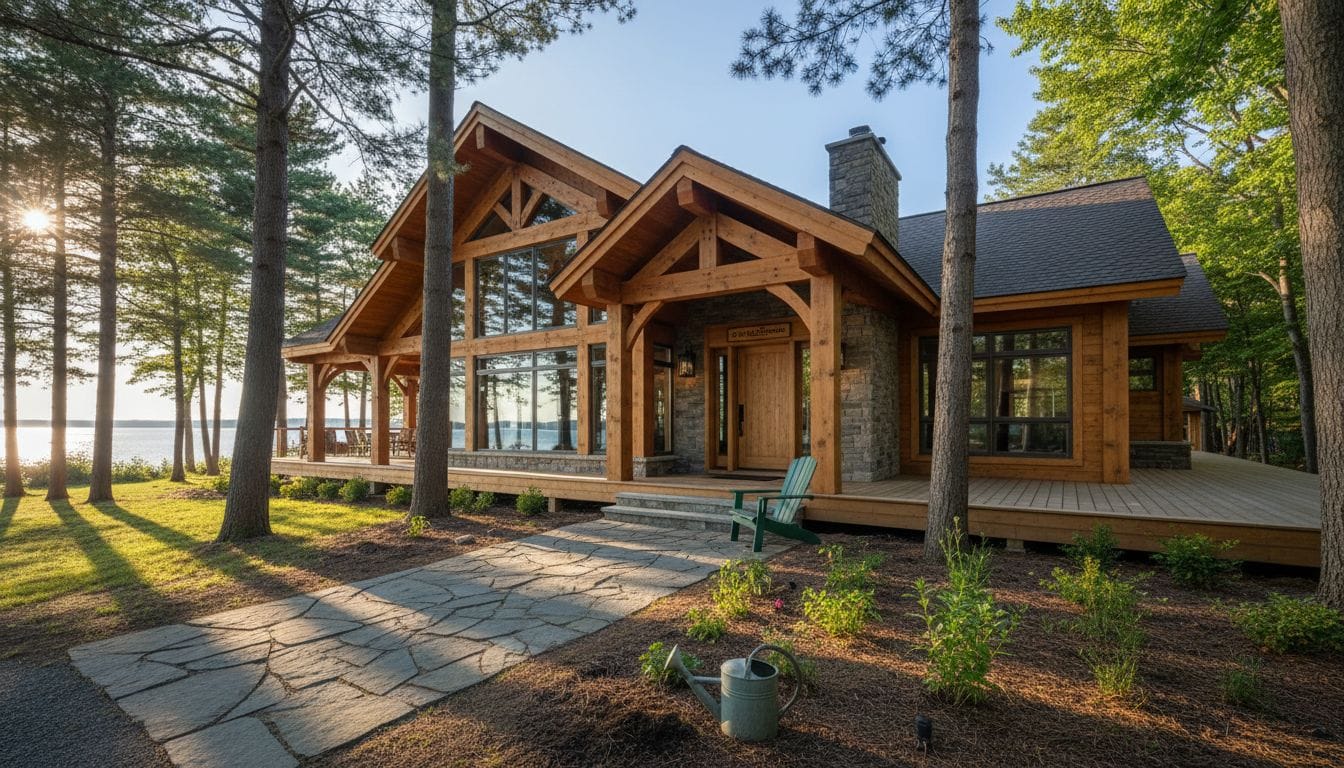
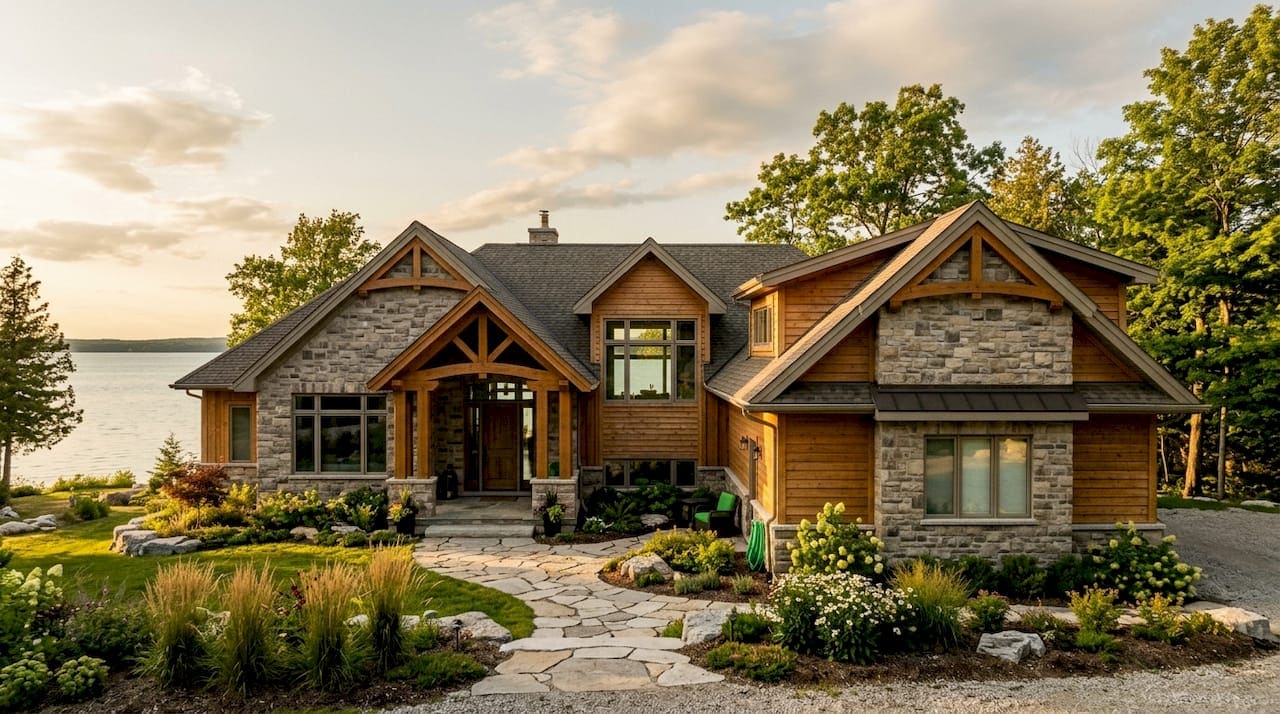
Mightonconstruction brings over 30 years of local expertise to custom home building across Wasaga Beach, Collingwood, Blue Mountain, Clearview Township, Tiny Township, and Springwater. Every project is managed from initial concept through to final finishing, with transparent communication and premium craftsmanship at every stage. Whether you are planning a luxury custom home, a waterfront cottage, or a full-scale renovation, Mightonconstruction holds full HCRA licensing and Tarion registration, so your investment is protected from day one. Browse the completed project gallery to see the quality of work firsthand, then reach out to schedule a consultation and discuss your vision with a builder who knows this region inside and out.
FAQ
What licences does a builder need in Ontario?
All residential builders in Ontario must hold an active HCRA licence and be registered with Tarion for mandatory new home warranty coverage. You can verify both through the Ontario Builder Directory and the Tarion website at no cost.
How many builders should I interview before deciding?
Interview at least three builders for a standard project and up to five for complex sites such as waterfront or hillside lots. More interviews give you better data for comparing price, process, and communication style.
What questions should I ask a builder before hiring?
Ask about their site supervision structure, change order process, subcontractor relationships, deficiency procedures, and what is specifically included in their quote. Vague answers to any of these questions are a red flag.
How long does a pre-delivery inspection take?
Tarion guidance indicates a PDI takes approximately one hour per 1,000 square feet of finished space. Do not rush this process, and document every deficiency with photos on the official Tarion PDI form.
How do I check if a builder’s references are reliable?
Speak directly to past clients whose homes are at least three years old, and search independently for reviews on Google and the Better Business Bureau. Do not rely solely on testimonials published on the builder’s own website.